Fruit · Bush fruit
Currants
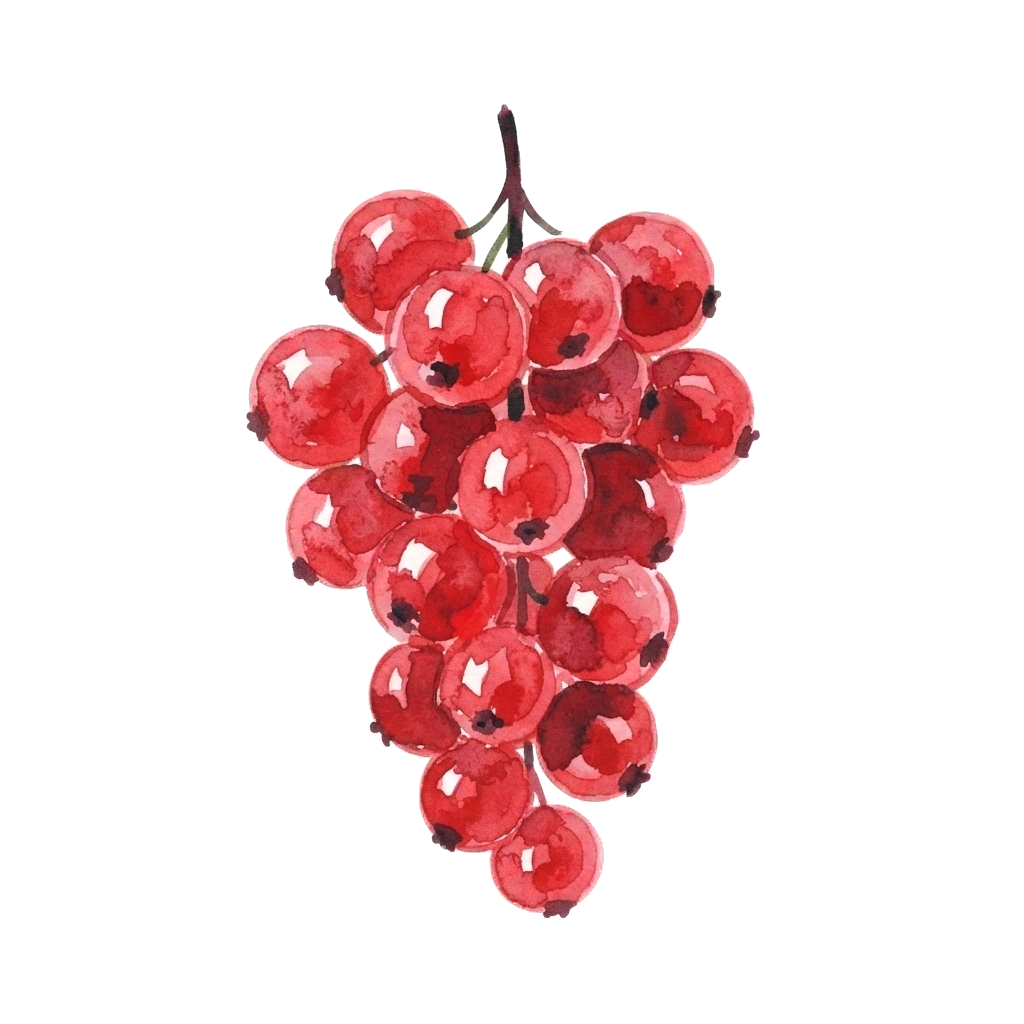
Ribes rubrumCurrants crop reliably on compact bushes, producing clusters of glossy fruit that hang like tiny beads along the stems. They tolerate cooler, shadier spots better than most soft fruit. The one rule: prune out the oldest wood each winter to keep yields up.
Sow depth
Root ball at soil level
Spacing
4–5 ft apart
Sun
Sun or part shade
Germination
1–2 seasons to establish
Time to harvest
730–1095 days
Difficulty
Easy
When to sow currants
- Sow from around the first expected autumn frost until about 6 weeks after the first expected autumn frost.
Plant bare-root bushes — set slightly deeper than the original soil mark.Space widely to allow airflow between mature, spreading bushes.Water in well and mulch to help newly planted roots establish.
Prune out old wood — remove stems older than three years each winter.Feed in spring and keep the root zone weeded and mulched.Net bushes as fruit colors up; birds strip currants fast.
Pick whole strigs — snip the entire fruit cluster rather than individual berries.Harvest once berries are fully colored and slightly soft to the touch.Strip berries from the strig just before using or freezing.
Companion plants
Keep fromGooseberries
Keeping currants apart from gooseberries reduces the spread of shared aphids and gall mite.
Watch out for
Big bud mite — Swollen, rounded buds in winter signal mite infestation that stunts spring growth. Pick off and destroy swollen buds before they open.