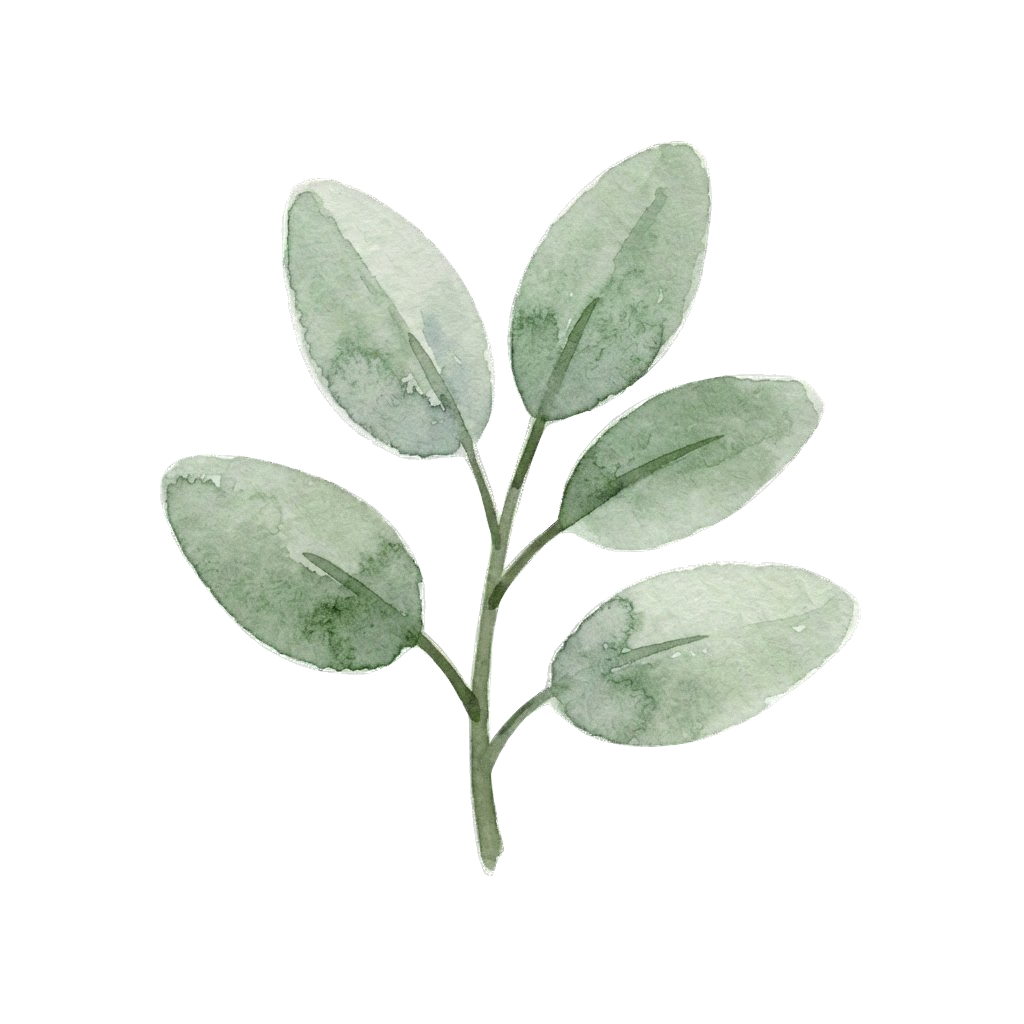
Herb · Perennial herb
Sage
Salvia officinalisSage brings soft, silvery foliage and a robust, savory flavor that only improves with a little stress. It builds into a sprawling woody subshrub over a few years. The one rule: replace plants every few seasons once stems turn woody and bare at the base.
Sow depth
¼ in
Spacing
18 in apart
Sun
Full sun
Germination
14–21 days
Time to harvest
75–90 days
Difficulty
Moderate
When to sow sage
- Sow from about 9 weeks before your last expected frost until about 2 weeks after your last expected frost.
Start indoors early — sage is slow growing and needs a head start.Sow onto moist compost and keep warm until seedlings emerge.Harden off thoroughly before transplanting once frost risk has passed.
Prune in spring — cut back old growth to encourage fresh, tender leaves.Water sparingly once established; sage prefers dry, free-draining soil.Mulch lightly and avoid heavy feeding, which weakens flavor and hardiness.
Pick leaves as needed — regular light picking keeps growth compact.Harvest sprigs before flowering, when the oils are most concentrated.Dry excess leaves whole and crumble them just before use.
Companion plants
Sage’s strong scent helps deter cabbage moths and carrot fly from nearby crops.
Watch out for
Woody, leggy growth — Plants left unpruned turn bare-stemmed and less productive after a few years. Cut back hard each spring and replace old plants periodically.